Tuesday, June 8, 2010

Conclusion 2010

How the plants and animals work together?We will tell you about how the plants and animals survive together at site 5. First the trees help the beavers by giving them wood for the dam.The beavers use the wood for there dams they use the dams for homes. They use their homes to hide from predators. The dam helps the stream by slowing down the water so it makes the huge pool .Some animals use the pool for a home. Next the brush and trees help animals hide. If we didn’t have the brush and trees animals wouldn’t have a place to hide. If the animals didn’t have a place to hide they would all get eaten. If they all got eaten we wouldn’t have any animals at the creek. Also the macro invertebrates help tell if the creek is clean. If the water wasn’t clean our animals that live in the water would either die or not be able to live there if we didn’t have animals living there their would be no point.

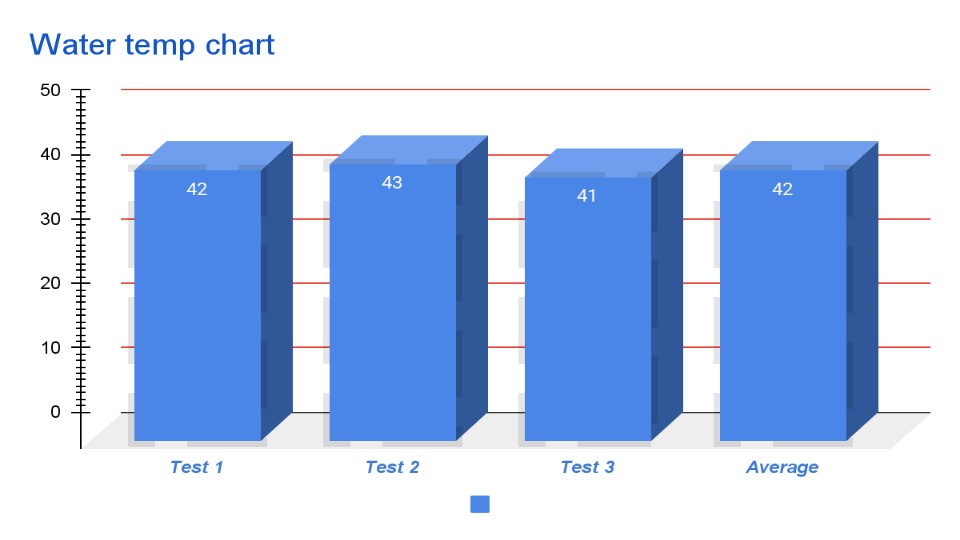
This years water quality is good because our temperature was 48 our pH was7.5 our DO was 35%. We would like to see more Dissolved oxygen though. In conclusion now you know how the plants and animals survive together.

Macro -inverbrates 2010

are water is healthy because we found None tolerant insects

Tuesday, May 18, 2010

Site Map 2010

Beaver Teeth 2010


This is a picture of beaver teeth marks on a tree near our site.

Group Photo 2010


This is Ethan,paulina,Taylor,Zack,Tayn

Site 5 Survey 2010

Today you are going to learn about site 5. The stream begins at N 47*29.433 W 119*54.056. We had 0% conifers but we had 50 -75% deciduous, shrubs, grasses, and herbs. The overhead canopy covers about 75-100% of our site. The channel is meandering. Longitudinal pattern is meandering. Stream banks vegetation cover is abundant. Artificial bank protection is 0-25%. The bank seems to be mostly stabile with some erosion in some areas. Next you will learn about our reach habitat. Number of riffles are 0. Number of pools are 1. Percentage of riffles 0%. Percentage of pools is 10%. We had abundant woody debris. We also had abundant organic debris. Artificial structures we had was some litter and garbage. Alongside stream reach we had a road. Land uses adjacent to stream reach we had some recreation. Now you know about site 5.

Friday, June 5, 2009

Friday, May 22, 2009

Thursday, May 14, 2009

Site five map


In this map it is at Douglas Creek in site 5. This is what we remember what site 5 looked like.

Tuesday, May 12, 2009

Site 5 Survey 2009

Hi we are site five and we want to share our part of the creek with you so be ready for some amazements to begin.

First we will tell you about the riparian zone. The width of the riparian zone right bank looking down is 0-50in and the bank looking down left is also 0-50in. There where 0% conifer trees
30% deciduous trees also there are 25% shrubs and

Next, the Channel will be described. The Channel is the shape of the creek sometimes it can be a U shape, another u shape, and also it can be a V shape. The longitudinal pattern can be straight, meandering, or also it can be braided but our stream was meandering. The Gradient is how much the water is flowing. There are three different kinds of Gradient like, low, Moderate, and even steep our Gradient was low.

Third, is the Stream banks, there are several kind of stream banks like the Vegetation cover, there is Abundant, Moderant, and there can be sparse the Vegetation at Site 5 is Abundant. The artificial Bank Protection is able to be 0-25%, 25-50%, 50-75%, and it can reach up to 75-100%, the one that referred to our site was 0-25% of Vegetation. The Bank Stability the bank was intacted.

The fourth thing we are going to tell you is the reach habitat.
We had 1 riffle, 3 pools, and the % for the pools and the riffles. The pools % was 55-70% also the % for the riffle is 25%.

Fifth, there are the Artificial Structures are things made by man. On the stream reach there is no dams, no culverts, no pipes, no diversion, no storm drains, and no weirs, but there is some litter.

Wednesday, July 9, 2008

Water Quality Tests


Location of Site 5


Our Group At Work


A Diagram Made in Paint


Macro Conclusion

Our water is good because we found two Mayflys and 2 caddisflys and if we find those that means our water is good because those Macroinvertebrates are non-tolerant ( very picky).We picked up rocks and scrubbed them with a toilet scrubber onto a net and then we identified the Macroinvertebrates.

Photopoint 1


Tuesday, May 27, 2008

How do the plants and animals of Douglas Creek survive together?

Bugs in Douglas creek are important because they give animals food like fish, and frogs. If you want to know if your water in Douglas creek is good than you scrape off rocks and see if you can find these bugs. Then that means that your water is very clean because these bugs are very picky about were they live. Now I will list the picky bugs Mayflys, Stoneflys, Dobsonflys, and, Caddisflys. Canopies are good for giving shade to the creek so the sun doesn’t keep beating on the water so much making the water to hot this is important to the fish because fish need to live in a certain amount of temperature so they can live. So if the fish live in water that is to cold for them then they will die and if the fish live in water that is to hot then they will die so that is why they need a certain temperature of water. Human change the creek by throwing their garbage on the ground and they also leave their camping gear junk, going to the bathroom, and leavening the toilet paper on the ground.

Practicing Catching Macroinvertebrates

 We are in the group helping each other practice catching macroinvertebrates so when we go to douglas creek again we know what we are doing and we know how to catch macroinvertebrates. 

photo point 2


Site 5 Working Super Hard


This picture is of site 5 working realy hard with their group leader Kimberly Gormley.

Friday, May 23, 2008

Thursday, May 22, 2008

Friday, May 16, 2008

Friday, May 9, 2008

Douglas Creek Site 5 Items Found


The small round things are pistol bullets,the medium round things are 12 gauge bullets, and the big round things are shotgun bullets. We think we saw eagle, owl,and other feathers. The other medium things are deer, and rabbit poop.

Douglas Creek Site 5 Description

Douglas Creek Site 5 Description

Our stream reach name is Douglas creek our site number is number five the township is 23 range 23. We are going to tell you about site five. The first thing we are going to tell you about is the riparian zone. The width of the left bank looking down stream is 0 to 50 feet. The right side of the bank looking down stream is 0 to 50 feet. The vegetation of the conifers are sparse it covers 0%. Deciduous plants are abundant. Shrubs are moderate and grass and herbs are abundant. The over head canopy is 25%.
The second thing we will tell you about is the channel. The shape of the cross section is a u with a straight top. The longitudinal pattern is meandering and the gradient is low. There were no alterations or diversions there. Then the third thing we will tell you about is the stream bank. The vegetation covers abundantly. There is no artificial bank protection. The bank stability is that the bank collapsed in some areas.
The fourth thing we are going to tell you about is the reach habitat. Our stream had two spots of riffles and one big pool. Our woody debris was moderate and our organic debris were abundant. Last we are going to tell you about the artificial structures. We found that in the stream reach we saw some trash, and litter. Also we found some road’s too. Now you know what we did at Douglas creek in site5. You should go to Douglas creek some time it is really fun.